
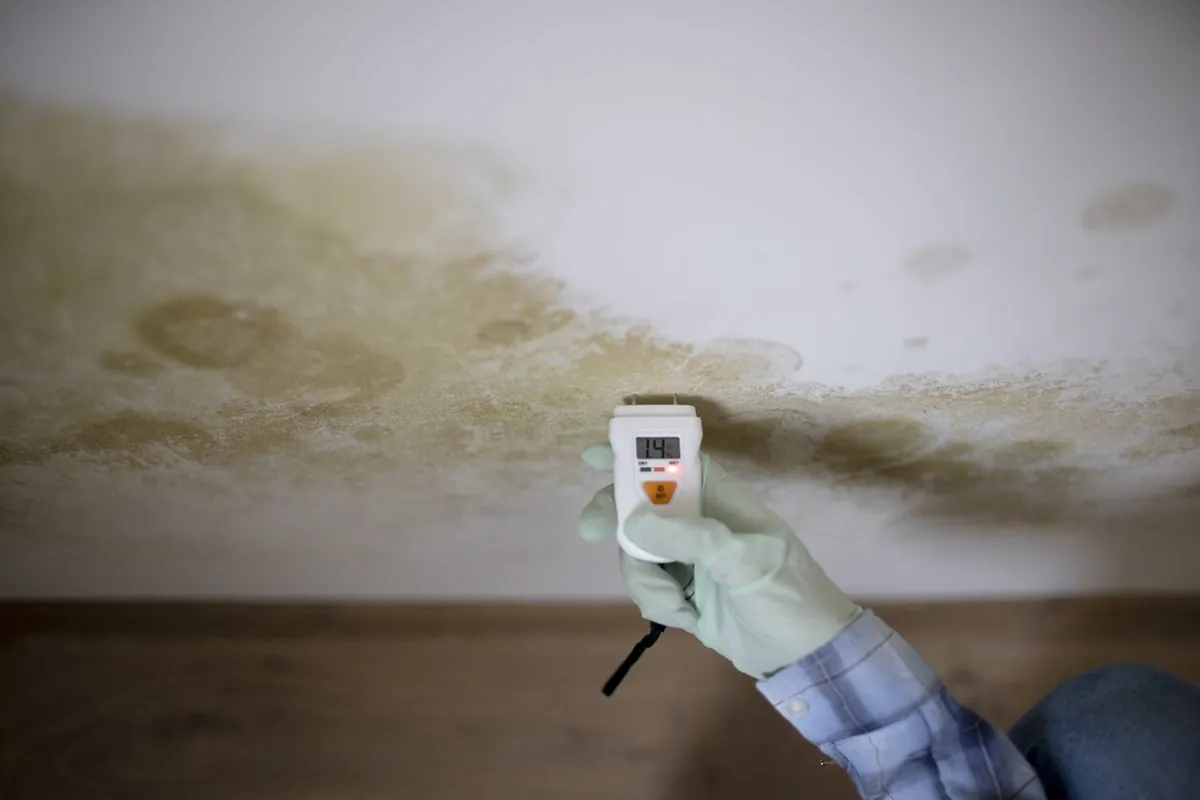
Mold can show up in any home, and on the Gulf Coast it shows up a lot. Left alone, it can damage drywall, wood and flooring, and it can irritate the eyes, nose and lungs, especially for people with allergies or asthma. Mold remediation is the work of finding why mold is growing, fixing that, and removing the mold. It's tempting to do it yourself and save the cost. Sometimes that's a reasonable call. Sometimes it makes things worse. This guide will help you decide whether you can do mold remediation yourself or whether it's time to bring in professionals.
DIY Mold Remediation
Every mold job, large or small, comes down to the same three steps. Find the moisture, fix it, then remove the mold. Skip the first two and the mold comes back, no matter how well you scrub.
Start with the size and the cause
Before you buy a single cleaning product, answer two questions. How big is the moldy area, and why is it wet?
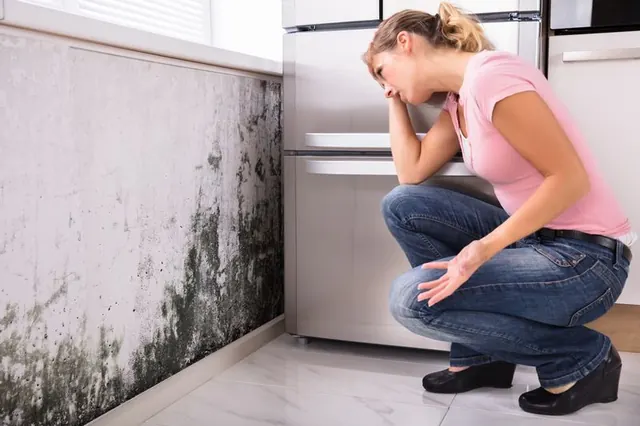
Size matters most. The EPA suggests that a homeowner can usually handle mold covering less than about 10 square feet, roughly a 3 foot by 3 foot patch. That's a spot on a bathroom ceiling, a corner behind the toilet, or a few dark specks along a window frame. Anything larger is a job for professionals.
The cause matters just as much. Mold needs moisture, and in a coastal home that usually means a slow plumbing leak, a roof or window leak, a sweating AC line, or indoor humidity that stays too high. Aim to keep indoor humidity between 30 and 50 percent. If you can't find the source, or the source is inside a wall, cleaning the surface only buys time.
You don't need to identify the type of mold
Many people start by buying a test kit to find out whether they have "toxic" or black mold. For a small visible patch, that step isn't needed. Any mold growing indoors should be removed the same careful way, whatever its color or species. A professional mold inspection earns its keep when you smell mold but can't see it, when you suspect it's behind walls or under floors, or when you're buying a home.
How to remove a small patch of mold yourself
- Fix the leak or moisture problem first, or at least stop it.
- Put on protection. An N95 respirator, rubber or nitrile gloves, and goggles without vent holes. Wear old clothes you can wash right away.
- Close the room off from the rest of the house. Shut the door, and turn off the AC or heat so the system doesn't pull spores into the ducts.
- Lightly mist the moldy surface with water before you touch it. Dry mold releases spores far more easily.
- Scrub hard surfaces like tile, tub, glass and sealed wood with detergent and water, then dry them completely.
- Bag and throw away moldy porous items you can't clean, like ceiling tiles, carpet pads or cardboard. Seal the bag before you carry it through the house.
- Dry the area fully, with fans or a dehumidifier, and keep an eye on it for the next few weeks.
Bleach, vinegar and baking soda
Household cleaners are fine on hard, nonporous surfaces. Bleach is the one people reach for first, and it's often the wrong choice. It can lighten the stain on drywall or wood without reaching the roots, so the mold grows back from underneath. Never mix bleach with ammonia or other cleaners, because the fumes are dangerous. Plain detergent and water, followed by thorough drying, works on most small jobs. Vinegar and baking soda are milder options on hard surfaces. If you want more detail on cleaning products and methods, read our guide on how to treat black mold at home.
The risks of doing it yourself
While it is possible to do mold remediation yourself, it comes with real risks. Scraping, sanding or dry brushing mold throws spores into the air, and they settle in other rooms and in your AC system. Breathing them can irritate your airways, and people with allergies, asthma or weak immune systems are more likely to react. If anyone in the house has symptoms, talk to a doctor.
The other risk is incomplete cleanup. Mold you can see is often the edge of a bigger patch inside the wall cavity or under the flooring. Wiping the visible part leaves the rest growing, and it spreads quietly until it shows up somewhere else.
Hiring Professionals
Some situations call for professional mold remediation services from the start. Call a professional when:
- The mold covers more than about 10 square feet.
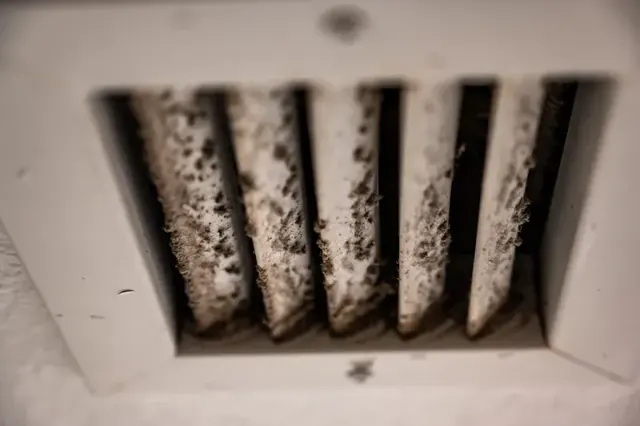
- It's inside the AC system or the ductwork.
- It came from flooding, storm water or a sewage backup.
- You can smell mold but can't find it.
- The same spot keeps coming back after you clean it.
- Someone in the house has asthma, allergies or a health condition that makes exposure a bad idea.
What to look for in a mold company
Look for a company with IICRC certification, which means its technicians are trained to an industry standard for mold work. Ask whether it's licensed, bonded and insured, so you're protected if something goes wrong on the job. Ask whether it fixes the moisture source or only cleans the mold, and whether it will work with your insurance company if the mold came from a covered water loss. DRI Gulf Coast is IICRC certified, licensed, bonded and insured, and the inspection and estimate are free, so getting a professional opinion costs nothing.
What professionals do differently
The difference is mostly equipment and process. A professional crew seals the work area with plastic sheeting and runs air scrubbers that keep the room under negative pressure, so spores can't drift into the rest of the house. Moisture meters and thermal cameras show how far the water traveled behind walls and under floors. Moldy drywall, insulation and carpet pad are cut out and bagged inside the containment instead of being cleaned in place. Surfaces are HEPA vacuumed and cleaned, the structure is dried to normal moisture levels, and the area is checked again before it's closed up. Just as important, the leak or humidity problem that caused the mold gets fixed, so the job stays done. We walk through each stage in our guide to how professional mold remediation works on the Gulf Coast.
Is professional mold remediation worth it?
Professional mold remediation costs more than a bottle of cleaner and a weekend. For a small patch on tile, it usually isn't needed. For mold that's large, hidden, or tied to water damage, it's worth it, because a DIY job that misses the source tends to come back, and the second round is usually bigger than the first.
So can you do mold remediation yourself? For a small, visible patch with a known and fixed cause, yes, with the right protection. For anything bigger, hidden, or tied to flooding, call for a free inspection and let a mold remediation team handle it safely.
Common Questions
Can you do mold remediation yourself?
You can if the moldy area is under about 10 square feet, sits on a surface you can reach, and you've found and fixed the moisture causing it. Larger patches, hidden mold, or mold from flooding or a sewage backup should go to a professional crew.
Is mold remediation dangerous?
Scraping, sanding or dry brushing mold sends spores into the air, where they can irritate your airways and settle in other rooms. Misting the surface first, closing off the room and wearing an N95 lowers the risk. People with asthma, allergies or weak immune systems should stay out of the work area.
What kills mold permanently?
No cleaner does on its own. Mold returns wherever moisture returns, so the lasting fix is drying the area and repairing the leak or humidity problem behind it. Bleach in particular can lighten the stain on drywall or wood while the growth underneath keeps going.
Is professional mold remediation worth it?
For a small spot on tile, usually not. For mold that's large, hidden in walls or floors, or tied to water damage, it usually is, because a cleanup that misses the source tends to come back bigger the second time.