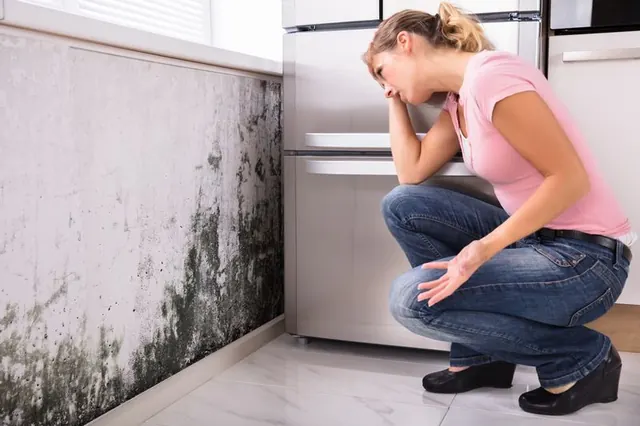

Finding black mold in your home is unsettling, and the urge is to scrub it away right now. Slow down for ten minutes first. How you treat black mold at home depends on how much there is, what it's growing on, and what's feeding it water. Get those right and a small patch is a manageable weekend job. Get them wrong and you can spread spores through the house or watch the mold come back in a month.
This guide covers what black mold is, how to prevent it, how to contain and remove a small patch safely, and when the job is too big to do yourself.
What Is Black Mold?
"Black mold" usually means Stachybotrys chartarum, a dark greenish-black mold that grows on materials that stay wet for a long time, like drywall paper, ceiling tiles and wood. Plenty of other molds are black too, along with white, green and gray ones, and you can't tell which is which by looking. Only a lab test can.
The good news is that the color doesn't change what you do. Any mold growing indoors can irritate your eyes, nose and throat, and it can cause problems for people with allergies or asthma. Every type is removed the same way, and every type comes back if the moisture behind it isn't fixed. If someone in the house has symptoms that seem tied to the mold, talk to a doctor.
On the Gulf Coast the moisture is rarely a mystery. Outdoor humidity sits high for much of the year, and mold here usually traces back to one of a few sources:
- A slow plumbing leak under a sink, behind a toilet or behind the washing machine
- A roof or window leak after a storm
- An air conditioner that isn't pulling enough moisture out of the air
- A bathroom without a working exhaust fan
- Condensation on cold ducts, pipes or windows
Preventing Black Mold
Mold needs moisture to grow, so prevention comes down to keeping your home dry. Mold can start growing on wet materials within 24 to 48 hours, which is why speed matters with every leak and spill.
- Keep indoor humidity between 30 and 50 percent. A cheap hygrometer from the hardware store tells you where you stand. Run your air conditioner and use a dehumidifier in damp rooms if the reading stays high.
- Fix leaks as soon as you find them, and dry anything that got wet right away.
- Run the bathroom fan during every shower and for about 20 minutes after. Make sure it vents outside, not into the attic.
- Have your air conditioner serviced and change the filter on schedule. Keep the condensate drain line clear so water doesn't back up into the pan.
- Clean your gutters and point downspouts away from the house so rain doesn't soak the foundation or crawl space.
- In bathrooms and laundry rooms, use mold-resistant paint and moisture-resistant drywall when you renovate.
Our mold prevention guide goes into each of these in more detail.
What if I Already Have Black Mold?
First, find the water. Cleaning mold off a wall while a pipe is still dripping behind it just resets the clock. Fix the leak or the humidity problem before or while you clean.
Next, size it up. The EPA suggests calling a professional for mold covering more than about 10 square feet, roughly a 3 by 3 foot patch. You should also skip the DIY route if:
- The mold came from sewage or floodwater
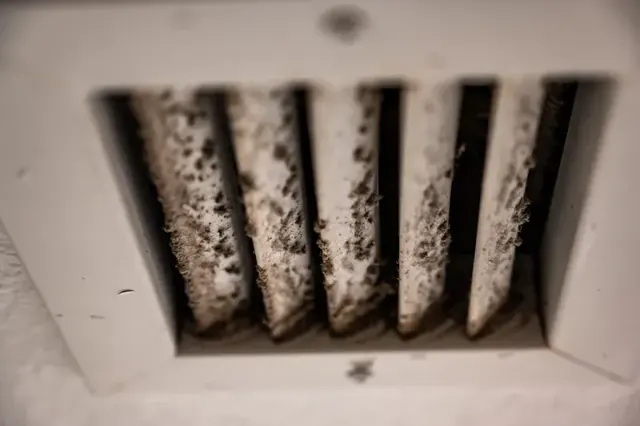
- It's inside your air conditioning system or ductwork
- You smell mold but can't see it, which usually means it's inside a wall, under flooring or in the attic
- Anyone in the home has asthma, allergies or a weakened immune system
If it's a small patch on a surface you can reach, contain the area before you touch it. Close the door to the room. Cover vents and doorways with plastic sheeting and seal the edges with duct tape. Turn off the air conditioner or furnace so it doesn't pull spores into the ducts. If there's a window, put a box fan in it blowing out.
Then protect yourself. Wear rubber gloves, goggles without vent holes and an N95 respirator at minimum. Wear old clothes you can wash right away or throw out.
Getting It Cleaned Up
Hard, nonporous surfaces like tile, glass, sealed countertops, metal and tubs can be cleaned. Scrub the mold off with detergent and water and a stiff brush, then dry the surface completely. A bleach solution of about one cup of bleach per gallon of water works on these surfaces too. Open a window, and never mix bleach with ammonia or other cleaners, because the fumes are dangerous.
Porous materials are different. Moldy drywall, ceiling tiles, carpet, carpet pad and insulation hold mold inside the material, where no spray can reach. Bleach can whiten the surface while the growth underneath keeps going. These materials usually need to be cut out, bagged and thrown away. Wood framing can often be cleaned and dried, but if it's soft or crumbling it needs to be replaced.
A few more steps finish the job:
- Mist the moldy area lightly with water before you scrub or cut, so fewer spores go airborne.
- Seal rags, sponges, cut-out drywall and old carpet in heavy plastic bags before carrying them through the house.
- Dry the area fully with fans and a dehumidifier. Mold comes back to damp material.
- Clean up with a HEPA vacuum if you have one. A regular shop vac can blow spores around.
- Check the spot again in a week or two. A musty smell or new spots mean moisture is still getting in.
For anything past a small patch, hire a professional mold remediation company. A pro sets up proper containment and runs air scrubbers with HEPA filters. They remove the damaged materials, then dry the structure and check it with moisture meters so the mold doesn't return. When you choose a company, ask whether it's IICRC certified, licensed and insured. Ask too whether it will fix the leak behind the mold or leave that to you. DRI Gulf Coast is IICRC certified, repairs the leaks that cause mold, and gives free consultations and estimates.
If you're still deciding whether to tackle it yourself, our post on whether you can do mold remediation yourself walks through that choice.
The Short Version
Fix the water first, keep small jobs small, and don't try to save drywall or carpet that mold has gotten into. If the patch is bigger than about 10 square feet or you can't find the source, a free mold inspection will tell you what you're dealing with.
Common Questions
How do you get rid of black mold?
Stop the leak or humidity problem feeding it, then seal off the room and wear an N95, gloves and goggles. Scrub hard surfaces with detergent and water and dry them completely. Moldy drywall, carpet and insulation can't be cleaned and should be cut out, bagged and thrown away.
Is it safe to clean black mold yourself?
For a patch smaller than about 10 square feet on a surface you can reach, usually yes, as long as you contain the area and wear protection. Leave it to a professional if the mold came from floodwater or sewage, is inside your AC or ducts, or anyone in the home has asthma or allergies.
How do you prevent black mold from growing?
Keep the house dry. Hold indoor humidity between 30 and 50 percent, fix leaks right away, and run the bathroom fan during showers and for about 20 minutes after. Keeping the AC serviced and its drain line clear matters a lot in a humid climate like the Gulf Coast.
Who should you call for black mold removal?
Call a mold remediation company that is IICRC certified, licensed and insured, and ask whether it will fix the leak behind the mold too. DRI Gulf Coast does both and offers a free consultation, and our inspection tells you how far the mold has spread before you commit to anything.