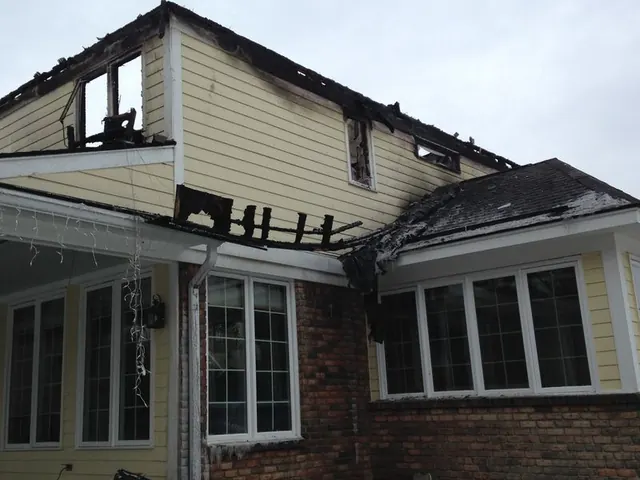

Once the fire is out and the house has been cleared as safe, the cleanup starts. Smoke, soot and odor get into far more of a home than the flames ever touched, and some of the most common cleanup habits make the damage worse. This guide walks through how fire damage is cleaned up, what you can safely do yourself, and what's better left to a trained crew.
If the fire just happened, start with our guide on what to do after a fire and who to call. Take photos for your insurance company before you clean anything.
Ensure Your Safety
Before you begin, make sure the fire department has said the house is safe to enter. Look up before you walk in. Ceilings that got wet from firefighting can sag and fall, and burned floors can give way. Leave the power and gas off until an electrician and the gas company have checked them.
Dress for the job. Wear an N95 mask or better, rubber or nitrile gloves, eye protection, long sleeves and sturdy boots. Soot is made of fine particles that you don't want on your skin or in your lungs. Anyone with asthma or a breathing problem should stay out of the house during cleanup.
Ventilation Is Key
Open windows and doors to get fresh air moving, and set box fans in windows facing out to push smoky air outside. Air purifiers with HEPA filters help catch soot still floating in the air. What you shouldn't do is run the central air. The return vents pull soot into the ductwork and blow it into every room in the house. Until the system has been inspected and the ducts cleaned, keep the thermostat off.
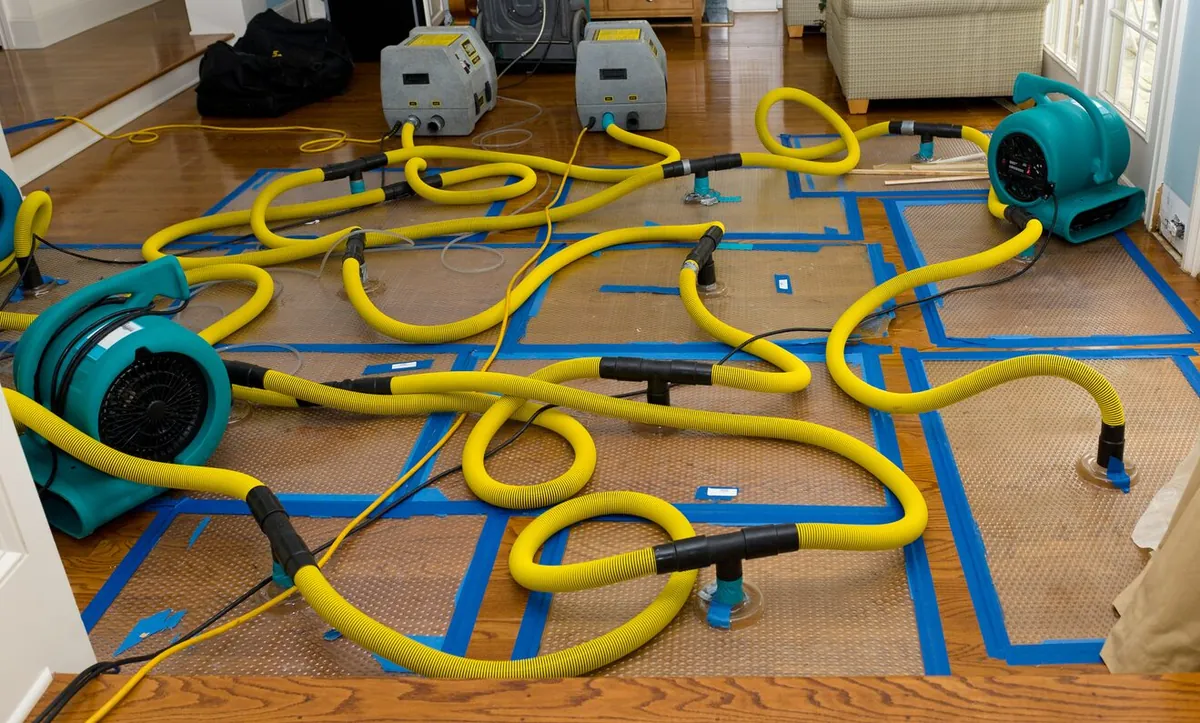
On the Gulf Coast, open windows also let humid air in. If the house is wet from firefighting, fans alone won't dry it. Dehumidifiers and proper drying equipment are needed to keep mold from starting, and mold can begin growing on wet materials within 24 to 48 hours.
Know What Kind of Soot You Have
Not all soot cleans the same way, and knowing which kind you're looking at keeps you from making a mess worse.
- Dry, powdery soot usually comes from fast, hot fires burning wood and paper. It's the easiest to clean and often lifts off with a dry chemical sponge.
- Oily, smeary soot comes from slower fires burning plastics, foam and synthetic fabrics, which describes most of what's inside a modern house. It smears when touched and usually needs professional cleaners.
- Kitchen fires leave a thin, sticky film that's hard to see but carries a strong odor and discolors paint and cabinets over time.
Tackle Smoke and Soot
The order matters. Work from the top of the room down, and start dry before you add any water.
- Vacuum loose soot with a HEPA vacuum, holding the nozzle just above the surface so it doesn't grind soot in. A regular shop vac blows fine soot right back into the air.
- Wipe walls and ceilings with a dry chemical soot sponge, using light, straight strokes. Turn the sponge as it darkens.
- Only then wash with warm water and a mild detergent. Water applied first can set soot into paint and drywall.
- Test any cleaner on a hidden spot first. Skip harsh products like bleach, which can set stains or react with smoke residue.
This works on small areas of light, dry soot. If soot covers whole rooms, smears when you touch it, or has stained the paint, it's time to call in a crew. Scrubbing too hard is how a cleanable wall becomes one that has to be cut out and replaced.
Getting Rid of the Smoke Smell
Smoke odor is the part that hangs on longest. Smoke particles work their way into drywall, insulation, carpet pad, cabinets, closets and the HVAC system. Air fresheners and candles only cover it up for a few hours. Baking soda, activated charcoal and bowls of white vinegar can help with a light smell in a small room, but they won't fix a whole house.
Real odor removal means cleaning the source first, then using professional deodorizing equipment. Be careful with ozone machines, though. They can damage some materials, and the EPA warns that ozone can irritate your lungs, so they should only be run by trained people in a house with no people or pets inside.
Clothes, Fabrics and Belongings
Smoke-damaged clothing and linens can often be saved. Shake them out outside, then wash them in cold water first, since hot water can set smoke stains. Some items take several washes. Upholstered furniture, mattresses and rugs are harder. Smoke and water soak deep into foam and padding, so they usually need professional cleaning or replacement.
Throw out any food, drinks, cosmetics or medicine that were exposed to heat, smoke or water, including anything in the refrigerator if the power was off. Electronics that sat in heavy smoke can fail later because soot is corrosive, so have them checked before you rely on them.
Disposing of the Debris
Badly burned furniture, mattresses, carpet and drywall usually have to go. Before you haul anything to the curb, photograph it and add it to your list for the insurance adjuster. Then check with your local waste service or a debris removal company about how to get rid of fire debris safely. Some materials, like burned chemicals from a garage or old insulation, need special handling.
What Not to Do Yourself
Some cleanup jobs are fine for a homeowner. These are not:
- Anything structural, like burned framing, damaged roof sections or sagging ceilings.
- Removing wet or burned insulation and drywall.
- Cleaning the HVAC system and ductwork.
- Drying out a house that was soaked by firefighting water.
- Soot that covers more than a small area, or oily soot that smears.
- Electrical work of any kind.
These jobs need equipment most people don't own, and mistakes can spread damage, start a mold problem, or complicate your insurance claim. DRI Gulf Coast handles fire and smoke damage restoration for homes in Orange Beach, Gulf Shores and the rest of the area from Daphne to Pensacola. We're IICRC certified, the consultation and estimate are free, and we work directly with your insurance company.
Give Yourself Some Grace
Cleaning up after a fire is hard on the body and harder on the nerves. Start with safety, keep good records for your claim, and don't wear yourself out scrubbing walls that need a professional anyway.
Common Questions
How do you clean a house after a fire?
Wait until the fire department says it's safe, photograph everything for insurance, and put on an N95, gloves and eye protection. Open windows, keep the central air off, then work from the top of each room down. HEPA vacuum loose soot, use a dry soot sponge, and only then wash with mild detergent and water.
How do you clean fire-damaged items?
Clothing and linens can often be saved by shaking them out outdoors and washing them in cold water, sometimes several times. Upholstered furniture, mattresses and rugs usually need professional cleaning or replacement. Throw out any food, medicine or cosmetics exposed to heat or smoke, and have electronics checked before using them.
Can you clean up fire damage yourself?
Light, dry soot on a small area is a reasonable homeowner job. Oily soot that smears, soot covering whole rooms, wet or burned drywall and insulation, HVAC cleaning, structural damage and drying out a house soaked by firefighting water all need a trained restoration crew with proper equipment.