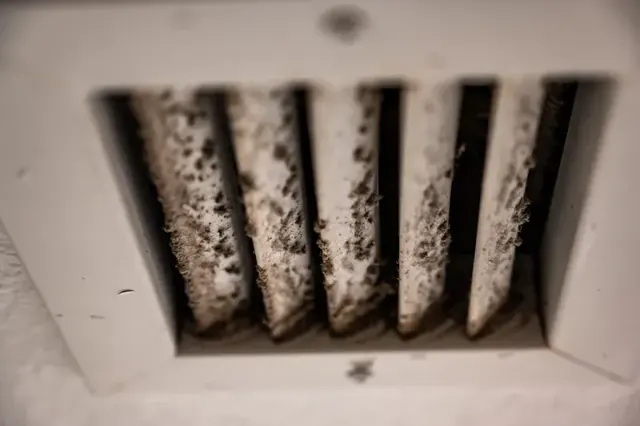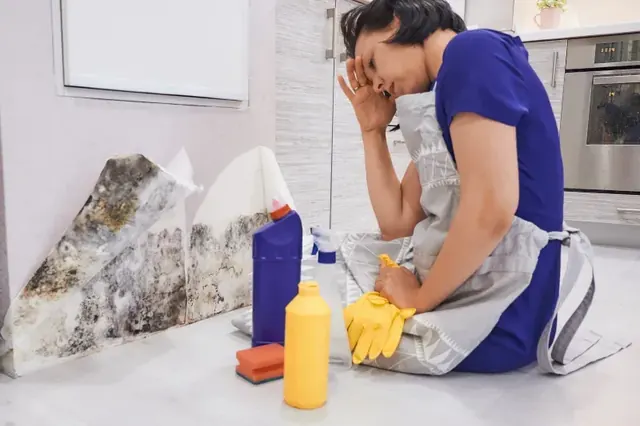


Summer on the Gulf Coast is hard on houses. The air is thick from May to October, afternoon storms roll through almost daily, and every time someone opens the door, a wave of humid air comes in with them. Mold needs only moisture, something to feed on and a few days, and in a summer in Gulf Shores or Orange Beach it finds all of that easily.
The good news is that mold prevention is mostly about water, and water is something you can control. The tips below are built around summer because that's when most homes here get into trouble, but nearly all of them work year-round.
Control Humidity First
Humidity is the biggest single factor in whether mold grows inside your home. Keep indoor relative humidity between 30 and 50 percent. Above about 60 percent, mold has an easy time.
Get a hygrometer
You can't manage what you can't see. A basic digital hygrometer costs a few dollars and tells you the humidity in a room. Put one in the likely trouble spots, like a bathroom, the laundry room or a closet on an outside wall, and check it on muggy days. If one room reads high while the rest of the house is fine, that room has a moisture source worth tracking down.
Let your air conditioner do its job
Your air conditioner is your main dehumidifier. As it cools, it pulls water out of the air and drains it away. Run it steadily through the summer instead of shutting it off and letting the house heat up during the day. Big swings in temperature let humidity build, and a hot, closed-up house is exactly what mold likes.
If your house feels cool but clammy, the system may be cooling without removing enough moisture. That's worth a call to your HVAC technician.
Add a dehumidifier where you need it
Some spaces stay damp even with good air conditioning, like a laundry room, a closed-off bonus room or a storage area. A portable dehumidifier set to around 45 percent keeps those spaces in range. Empty the bucket often, or run the drain hose to a floor drain.
Move the Air
Still air lets moisture settle on walls, behind furniture and in corners.
- Run bathroom exhaust fans during every shower and for about 20 minutes after. Run the kitchen range hood when you cook.
- Check that those fans vent outdoors. A fan that dumps air into the attic or crawl space just moves the problem somewhere you can't see it.
- Leave interior doors open when you can so air reaches every room.
- Pull large furniture and headboards a few inches away from outside walls so air can get behind them.
- Use ceiling fans to keep air moving.
- Keep supply vents and return grilles clear of furniture and boxes.
A word on open windows. On a dry spring or fall day, opening up the house is great. On a sticky July afternoon it lets in the moisture your air conditioner is trying to remove. In summer, keep the windows closed and let the AC work.
Stop Water at the Source
Fix leaks fast
A slow drip is worse than it looks because it keeps the same spot wet day after day. Check these places every few months:
- Under kitchen and bathroom sinks, including the supply lines
- Around the base of toilets
- Behind the washing machine and dishwasher
- Around the water heater
- Ceilings under bathrooms and below the air handler
Look for stains, soft spots, bubbling paint and that musty smell. After heavy rain, check ceilings and the walls around windows for new water stains.
Seal windows and doors
Wind-driven rain gets in through gaps around windows and doors. Redo cracked or missing caulk and replace worn weatherstripping. Check them again after big storms.
Keep gutters and drainage working
Clogged gutters overflow right next to the foundation, and that water ends up in the crawl space or under slab flooring. Clean gutters at least twice a year, and more often if you have trees overhead. Make sure downspouts carry water several feet away from the house and that the ground slopes away from the foundation.
Look after the AC drain
Your air conditioner pulls gallons of water out of the air on a summer day. If the condensate drain line clogs, that water backs up into the drain pan and can overflow into the ceiling or the closet around the air handler. Have the system serviced once a year, change filters on schedule and keep the drain line clear.
Dry Anything Wet Within 24 to 48 Hours
Mold can start growing on wet materials within 24 to 48 hours. That's the window that matters most.
- Hang up wet towels, swimsuits and beach gear instead of leaving them in a pile or a closed bag. In a beach town this one matters more than you'd think.
- Don't leave wet laundry sitting in the washer.
- Blot spills on carpet right away and run a fan over the spot.
- If a storm or a leak soaks carpet, drywall or flooring, dry it fast with fans and a dehumidifier. Water that gets under flooring or inside a wall usually needs professional drying, because it can look dry on the surface while staying wet underneath.
Keep Things Clean
Mold feeds on dust, dirt, soap scum and other organic material, so regular cleaning takes away its food. Vacuum carpets weekly, ideally with a HEPA vacuum, and wipe down bathroom tile and grout after showers. Don't pack closets so tight that air can't move through them.
Use Mold-Resistant Materials When You Renovate
If you're redoing a bathroom, a laundry room or anything at ground level, building with moisture in mind pays off for years.
- Moisture-resistant drywall or cement board in wet areas
- Mold-resistant paint in bathrooms and kitchens
- Rigid foam or foil-faced insulation in damp spaces like crawl spaces
These cost a little more up front, but they're much cheaper than tearing out moldy walls later.
Closed-up Homes and Rentals
Vacation homes, condos between guests and houses left empty for the summer are at the highest risk, because nobody is there to notice a leak or a musty smell. Before you leave, don't turn the air conditioner off. Set it to a moderate temperature so it keeps running and removing moisture, and leave a dehumidifier running in any room that tends to be damp. Shut off the main water valve if you'll be gone a long time, and have someone check on the place after major storms.
Check for Mold Regularly
Make a quick walk-through part of your routine every month or two. Check the places mold likes most, which are under sinks, around windows, in closets on outside walls, behind the toilet, the laundry room and the attic. Our guide to common mold habitats in your home lists where to look. Musty smells, small dark spots and peeling paint are early signs. Catching them early keeps a small cleanup from turning into a big repair.
If you find a small patch, our guide on how to treat black mold at home covers safe cleanup. If you smell mold but can't find it, or a spot keeps coming back, a professional mold inspection can find the hidden moisture. DRI Gulf Coast offers free inspections from Daphne to Pensacola.
The Bottom Line
Keep the humidity under 50 percent, fix water problems the day you find them, and dry anything wet within a day or two. Do that and mold has very little to work with, summer or not. If it's already taken hold, our mold remediation team can remove it and fix the leak behind it.