
Most water damage comes from a short list of sources. Some show up as a flood on the kitchen floor. Others drip for months inside a wall before anyone notices. Knowing where water usually gets in tells you what to check, what to maintain, and what to do when you see the first signs. Here are the most common causes we see in Gulf Coast homes and commercial buildings, with what each one risks and how to head it off.
Roof Leaks
A roof leak is one of the most common causes of water damage, and one of the slowest to show. Water can run along rafters and soak attic insulation long before a stain shows up on the ceiling. Missing or lifted shingles, worn flashing around vents and chimneys, and old seals around roof penetrations are the usual weak spots. Storms along the coast make all of them worse.
Have the roof inspected after any big storm and every few years otherwise. Replace damaged shingles quickly, and check the attic for wet insulation, dark spots on the wood, or daylight where it shouldn't be. On commercial buildings with flat roofs, keep the drains clear so water doesn't pond.
Plumbing Leaks and Burst Pipes
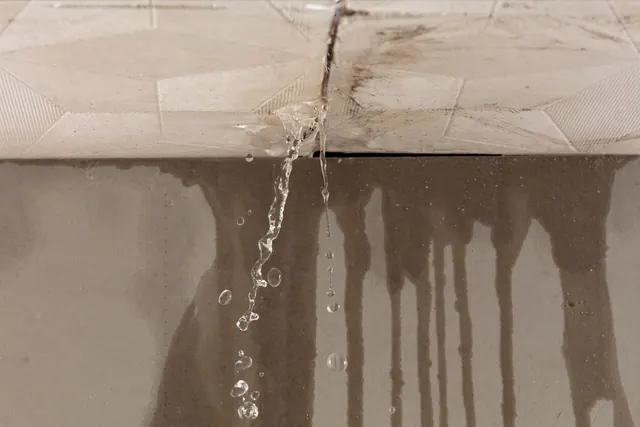
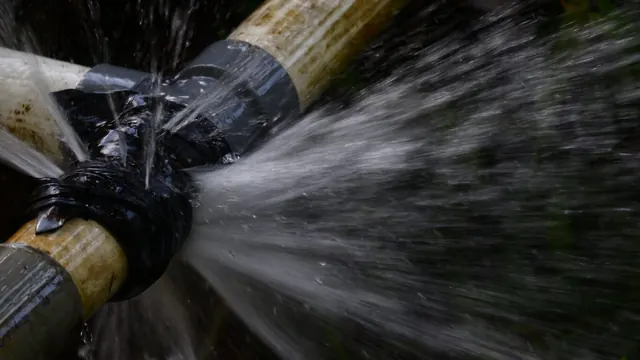
Leaky and burst pipes are behind a large share of water damage. A burst pipe is obvious. A pinhole leak or a loose fitting inside a wall isn't, and it can rot the wall, the subfloor and the framing for months or years before anyone finds it.
Look under sinks and behind toilets every few months for drips, corrosion and loose connections. Watch for slow drains and sweating pipes. A plumber's check every year or two helps, especially in an older house. A sudden jump in your water bill that you can't explain is often the first sign of a hidden leak.
Water Heaters
A water heater holds a lot of water, and when an old tank fails it can empty onto the floor. Rust around the base, water pooling underneath, or rusty hot water are signs it's on the way out. A drain pan under the tank and a leak sensor next to it are cheap insurance, and so is replacing a tank before it fails rather than after.
Appliances
Washing machines, dishwashers and refrigerators with ice makers are all connected to a water line, and most failures start at the hose. Rubber hoses crack and bulge with age, and connections loosen. Replace rubber washer hoses with braided steel ones, check behind the fridge and under the dishwasher a few times a year, and don't run the washer or dishwasher while nobody's home.
AC Drain Lines
This one is especially common on the Gulf Coast. Your air conditioner pulls a lot of water out of humid air, and that water drains through a small line. When the line clogs with algae or debris, the pan overflows into the ceiling, the closet or the wall around the air handler. Have the drain line cleaned during regular AC service, and look at the pan now and then during the summer. Many units can also have a float switch that shuts the system off before the pan overflows.
Toilets and Sewer Backups
A running or overflowing toilet can put a lot of water on the floor quickly, and a wax ring that's failing can leak under the floor for a long time. Sewer backups are worse, because the water is contaminated and anything porous it touches usually has to go. Don't flush wipes or grease, and fix a toilet that rocks or keeps running.
Hurricanes, Storms and Flooding
You can't prevent a hurricane, storm surge or flash flood. They're the biggest single cause of large water losses here. Wind-driven rain gets in around windows and doors, roofs lose shingles, and rising water comes in at ground level.
What you can do is prepare. Know your flood zone, keep a flood policy if you need one (standard homeowners policies usually don't cover flooding), and have a plan before the season starts. Our hurricane prep guide covers what to do before a storm.
Poor Drainage and Foundation Problems
Water that pools against the house finds its way in. Clogged gutters overflow next to the foundation, downspouts that empty right beside the house soak the soil, and a yard that slopes toward the house sends rain straight at it. Over time that can crack the slab or foundation and let water in under walls and flooring.
Clean gutters at least twice a year, especially with pine needles and oak leaves around. Extend downspouts so they empty several feet from the house, and regrade any low spots where water collects.
Windows, Doors and Siding
Old caulk and worn weatherstripping let rain in, especially in sideways rain during a storm. Water that gets behind siding or under a window sill can rot framing without leaving a mark inside. Check the caulk around windows and doors once a year and reseal anything cracked or pulling away.
Frozen Pipes in a Cold Snap
Hard freezes are rare here, which is exactly why they cause damage. Pipes in attics, crawlspaces, garages and outside walls often aren't insulated, and a single night below freezing can split one. The leak often doesn't show until the pipe thaws. Insulate exposed pipes and disconnect outdoor hoses before a freeze.
Fire Sprinkler Systems
In commercial buildings, condos and some newer homes, a fire sprinkler that fails, gets bumped or freezes can flood a large area fast, soaking equipment, inventory, documents and the floors below. Keep sprinkler systems on a regular inspection schedule and make sure staff know where the system's shut-off is.
High Humidity and Condensation
Not all water damage comes from a leak. In a humid climate, moisture in the air condenses on cold pipes, ducts, windows and walls. Over time that causes the same stains, rot and mold as a slow leak. Keep indoor humidity between 30 and 50 percent with the AC and a dehumidifier if you need one, and make sure bathrooms and laundry rooms have working exhaust fans.
Signs of Hidden Water Damage
Many of these causes stay hidden until the damage is done. Watch for:
- Stains or water marks on ceilings, walls or floors.
- Bubbling or peeling paint and soft or swollen drywall.
- Floors that cup, buckle or feel soft, and loose tiles in a bathroom.
- A musty smell, or mold on walls, ceilings or baseboards.
- A water bill that jumps for no reason.
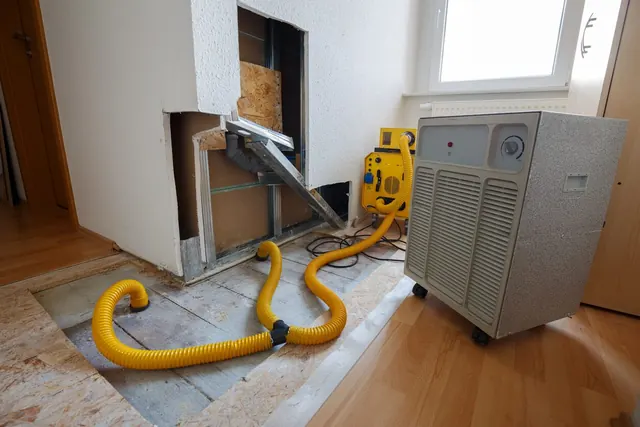
To check for a hidden plumbing leak, turn off every faucet and appliance that uses water, then watch the water meter. If it keeps moving, water is going somewhere it shouldn't. DRI's consultation is free, and our inspection uses moisture meters to find wet spots you can't see.
Most of these causes can be prevented with a little routine maintenance, and our water damage prevention guide covers the details. If you've already found water where it doesn't belong, see how our water damage restoration service works.