
Whether this is your first hurricane on the Gulf Coast or your tenth, the days after the storm are confusing. The power is out, the roads are blocked, and you're not sure what to do first. These six tips walk you through recovery in roughly the order you'll need them, from the first look at the damage to getting the house dry and repaired.
Before any of it, stay safe. Don't go back until local officials say it's safe to return. Beach towns sometimes check ID before letting residents back in, so bring your driver's license or something with your address on it. Bring a flashlight, water, gloves, sturdy boots, a phone or camera, and basic tools for clearing debris. Stay away from downed power lines and standing water near them, and don't go into a house that looks unstable or smells of gas. Once you're inside, watch for furniture and shelving that shifted in the storm.
1. Be Prepared for the Cost of Hurricane Restoration
Start by taking stock. Walk the outside first, then each room, and make a list of what's damaged. That list tells you who to call and gives you a rough sense of how big the job is.
Then look at what you'll pay out of pocket. Many coastal homeowners policies have a separate hurricane or named-storm deductible, often a percentage of your dwelling coverage instead of a flat dollar amount, so it can be much higher than the deductible you're used to. Flooding from rising water is covered only by a separate flood policy, not standard homeowners insurance. If you can't live in the house during repairs, check whether your policy pays for additional living expenses, and keep every hotel and meal receipt.
Plan on repairs taking a while, too. After a big storm, every contractor on the coast is busy at once.
2. Contact Your Insurance Company
Call your insurance company or file the claim online as soon as you can, even before you know the full extent of the damage. Many insurers now have apps that let you upload photos and start the claim from your phone, which can move you up the line. Describe what's damaged, what you've lost, and any emergency repairs you've already made.
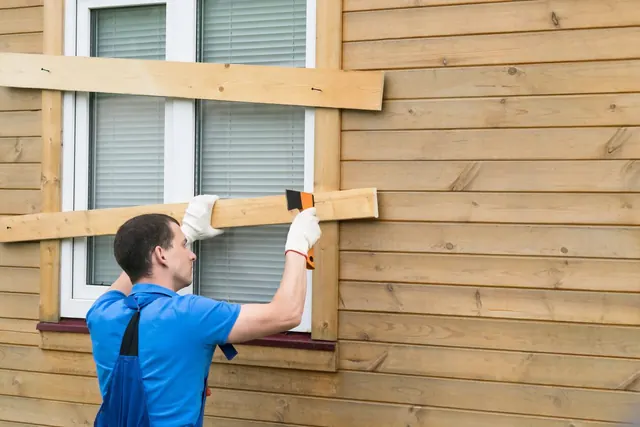
Your policy expects you to keep the damage from getting worse, so make temporary repairs once it's safe. Put a tarp over roof damage, board up broken windows, and shut off the water or power if a line is damaged. Keep the receipts for tarps, plywood and any emergency service, because those costs are usually part of the claim. Don't make permanent repairs or throw out damaged items until the adjuster has seen them or told you it's fine.
An adjuster will usually come out to inspect, though after a widespread storm some insurers ask for photos and contractor estimates instead. Either way, good documentation (tip 5) is what gets the claim paid. For more on what's typically covered, read our guide to insurance coverage for flood and fire damage.
3. Find a Trusted Disaster Recovery Company with Hurricane Damage Restoration Experience
After a hurricane, out-of-town crews show up within days. Some do good work, and some are gone by the time a problem shows up. Take a few minutes to check before you sign anything.
- Ask whether they're licensed and insured, and ask to see proof.
- Look for IICRC certification, the industry standard for water damage, mold and fire restoration.
- Read their reviews and ask neighbors who they used.
- Ask whether they'll work directly with your insurance company and provide photos and moisture readings for the adjuster.
- Be wary of anyone who wants a large payment up front or pressures you to sign that day.
A local company that will still be here next year is worth a lot when a hidden leak or a mold problem turns up months later. DRI Gulf Coast has worked out of Orange Beach since 2010, and we're licensed, bonded, insured and IICRC certified.
4. Removing Flood Water Requires the Right Equipment
Getting the water out is a bigger job than it looks. Standing water comes out with pumps and truck-mounted extractors. Then comes the part people underestimate, which is drying. Walls, subfloors and insulation hold water long after the floor looks dry, and drying them takes commercial dehumidifiers, air movers and moisture meters to confirm the job is actually finished.
Speed matters. Mold can start growing on wet materials within 24 to 48 hours, and wood and drywall get weaker the longer they stay soaked. Floodwater from outside also carries sewage, chemicals and bacteria, so treat it as contaminated. Wear gloves and boots, keep kids and pets away, and expect that carpet, padding, insulation and the lower part of drywall it touched will need to come out. Our water damage restoration page explains how we handle extraction and drying.
5. Document Water Damage and Mold
Photos are the backbone of your claim, so take more than you think you need. Shoot every affected room with a wide shot that shows the whole space, then close-ups of the damage. Get the water line on the walls, wet flooring, damaged furniture and anything you're throwing out. Photos keep their date and time automatically, but keep a simple written log of what you did each day, too.
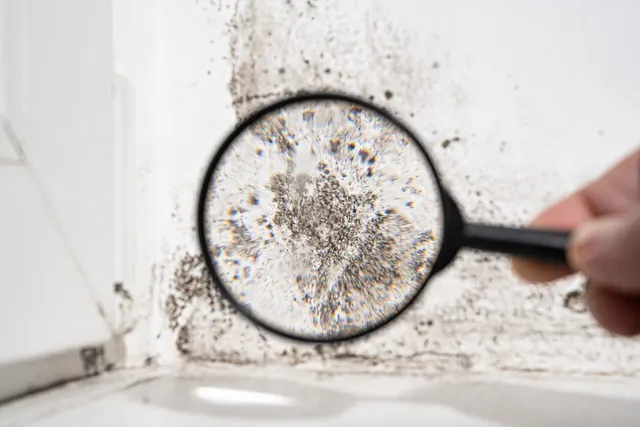
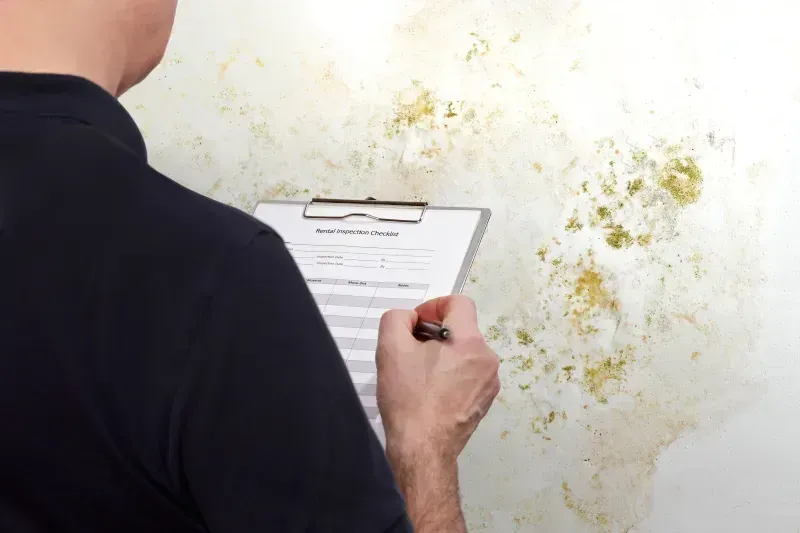
Check for mold as the house dries. Musty smells, dark spots on walls or baseboards, and warped or bubbling drywall are all signs. A good restoration company will document mold with photos and moisture readings, which your adjuster will want to see. Mold can irritate the eyes, nose and throat and can cause problems for people with allergies or asthma, so if anyone in the house has symptoms, check with a doctor. If you find it, our mold remediation team can take it from there.
6. Be Prepared for Hurricane Damage Other Than Flooding
Plenty of hurricane-damaged homes never flood. Wind does its own damage. It tears off shingles and siding, drops trees on roofs, cars and fences, and throws anything that wasn't tied down. Hurricane winds also push rain sideways through gaps around windows, doors and vents that stay dry in a normal storm, so water can get into walls and ceilings even when the outside looks fine.
That kind of damage often shows up late. Watch for new ceiling stains, peeling paint, soft spots in flooring or a musty smell in the weeks after the storm, and check the attic for wet insulation. Report anything you find to your insurance company right away, even if the claim is already open.
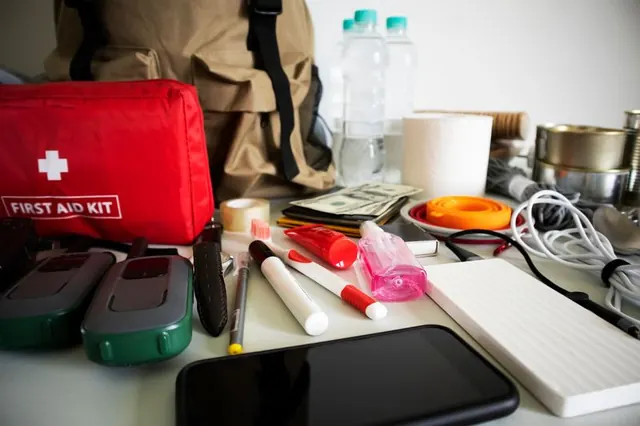
When you're ready to get ahead of the next storm, our hurricane preparation checklist covers what to do before the season starts.
Common Questions
What should I do after a hurricane damages my home?
Return only when officials allow it, then walk the outside before going in and list the damage room by room. Photograph everything, file your insurance claim as soon as you can, and make temporary repairs like tarping the roof, keeping receipts for all of it.
What happens in the days after a natural disaster?
Expect power outages, blocked roads and ID checks before residents can get back into some beach towns. Insurers and contractors get busy all at once, so claims and repairs often take longer than usual, and out-of-town crews show up quickly.
What does it mean to mitigate your house after storm damage?
Mitigating means taking reasonable steps to stop the damage from getting worse, like tarping a roof, boarding broken windows, shutting off water to a broken line and drying out wet rooms. Most insurance policies expect it, and the costs are usually part of the claim.
How can I protect my home from future hurricane damage?
Secure or store anything outside that wind can throw, keep the roof and gutters in good repair, and seal gaps around windows, doors and vents where wind-driven rain gets in. Review your hurricane deductible and flood coverage before the season starts, not when a storm is already in the Gulf.